

Motherhood in the Age of Incels
While I am trying to teach my boys to be kind, the world around them is trying all they can to do the opposite. (Guest Post)


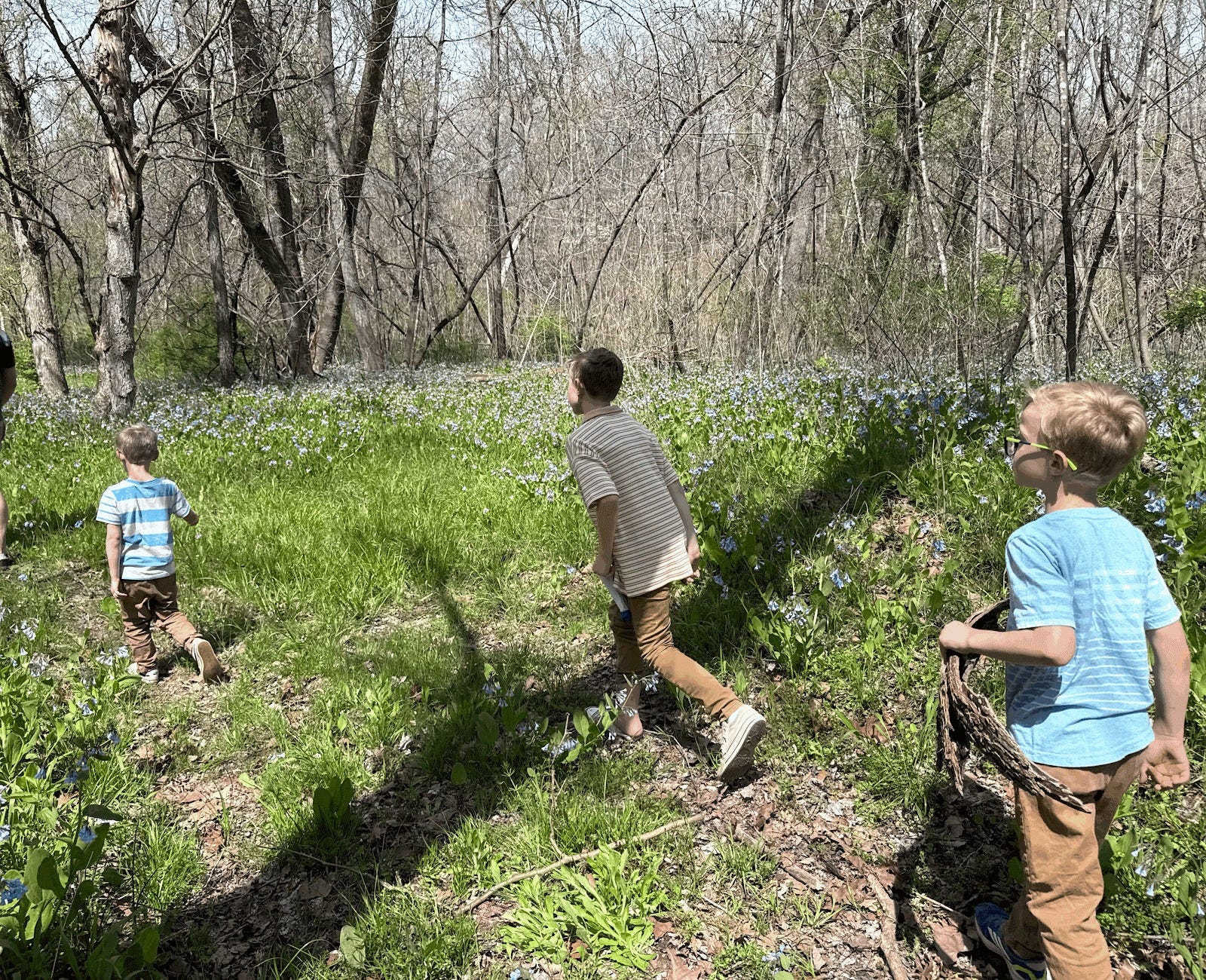
In 2014, I gained membership into a brand new club: #boymomhood. There were t-shirts; they were insufferable. If the parenting forums were to be believed, raising a son was something so terribly brave. Girls were demure and mindful. Boys ruined your drywall as they swung from your curtains. According to the boymom bylaws, all of your sons’ clothing had to be either dino- or racecar-themed, and all of their television shows had to contain at least one talking garbage truck. Above all else, you were to hold your chin up high as men praised you and women knowingly commented, “you sure have your hands full, huh?”
As I welcomed my first son, the world of masculinity seemed to be rapidly changing. Sad dad indie was in, and for the first time in history, men were allowed to feel emotions. In 2015, Barack Obama began to release his annual summer playlists featuring queer women and grizzled men who were mournful yet mindful. During this same era, the television show, Master of None, had an episode where one person literally read the definition of “feminism” out loud at a dinner party, causing the group of men at the table to realize they themselves were feminists. As millennial women wrote baby shower wishes on the inside pages of A is for Activist, we had no idea of the shifting landscape our sons would soon be facing. We were all so hopeful the first Tuesday of November 2016 as we sat with our oversized wine glasses and waited to welcome the next stage of progress.
I don’t need to give you a recap of what happened after that election night; we’ve all relived it a thousand different times. I have had two more sons since that evening, and my concerns for them now look very little like they did back then. When I first held them in my arms all those years ago, I hoped that they would learn to be gentle and compassionate men who were a force of good within the world. And while I am still trying to teach them to be kind, the world around them is trying to do the opposite.
Movements like #MeToo and Black Lives Matter have been replaced in the media with questions like “whatever can we do about the masculinity crisis?” First, let’s be frank: the indisputable fact is that men are lonelier now than they ever have been. Honestly, we all are. While there are many potential answers to this issue, one of the most popular themes has been “how can we shift the blame?” In a capitalistic society, everything can be monetized—even a loneliness epidemic—and the people cashing in the most are the ones who promote violence and aggression as a solution. The pipeline is extremely easy to fall down with things like fitness, tech, and video games all serving as portals. Throw a stone at an influencer in any of these spheres, and there’s only one degree of separation from a guest podcast role talking about how maybe women shouldn’t have the right to vote after all.
As a parent of boys nearing middle school age, this has quickly become my greatest concern. How do you teach your children to be soft and compassionate in a world where we’re gritting our teeth while the president drops regular slurs on his social media?
My husband and I have taken a few steps so far by limiting our sons’ access to certain technology. Roblox is never okay, tablets and cell phones have mostly been banned, and YouTube is only allowed if we’re watching funny cat videos together (Tiny Desks are also fine). When we set those rules, we didn’t think much of it. In fact, I worried that maybe we were being too lax. Yet, whenever neighborhood kids wander into our house, they marvel at our lifestyle the way one might when touring Colonial Williamsburg. “Can you believe people used to live like this?” they seem to murmur as they head back home.
Right now, much of what we do is play the defense. Block the manosphere before it has the chance to make a breakaway. Occasionally, we have to address contaminants when they leak in. We’ll explain to our kids why they can’t use the r-word even if their classmates (or the president of the United States) can drop it without consequence. We’ll talk about outdated language that comes up in older media, and we tackle stereotypes if they come up. The Hillary Duff “that’s so gay” PSA is required viewing for my children. It’s important that they know.
Additionally, we work to expose our kids to as many outside perspectives as possible. We stock up on books, talk about the ugly parts of the past, and stay honest about ongoing struggles. Their grandparents live in Ferguson, Missouri—the cradle of the Black Lives Matter movement—and as we’ve driven across the city, we have told them why the tragic shooting of Michael Brown was so consequential. After all, if I can’t use my American History degree to earn money, at least I can use it to make my children more informed.
Oddly enough, I’ve found some branches of my childhood Christian religion to be particularly helpful for exposure. We’re located in an extremely conservative area where church remains the best place to find community as well as grant easy access to activism. I have sought out spaces where queer people are not only welcomed but are affirmed from the pulpit. After we get done sharing communion with our trans neighbors, we’ll locate our Subaru Ascent amidst the Foresters and Outbacks, get in, and talk about why it’s important to drive the extra ten minutes across town to this building, passing several evangelical mega churches en route.
I’m going to surprise you and say that, as a white, straight-presenting woman from Missouri, I make a ton of mistakes with all of this. In March of 2024, we went to the Civil Rights Museum in Memphis, and for the next year, my preschooler expressed sadness that his Black friend was unable to drink from the same water fountain as him. Even just this week, I overheard a conversation where my middle kid went into a long explanation on why only Black people can use the “r-word.” I had to quickly step in and say, “none of this is correct.” I could probably wear out my keyboard finding examples of all the ways I’ve failed.
And yet, this horrible, wonderful, hilarious thing is happening. My children are woker (more woke? Ask them, they would probably know) than I could ever be. In a way, I keep finding myself becoming my well-meaning-but-often-problematic-mother. Sometimes, having conversations with them is like walking over landmines. My oldest will chat about a classmate, and as I try to place who they’re talking about, I will reach for about twenty adjectives because I know the second I ask about skin tone, he’ll turn to me and say, “that’s a little racist.” He also will throw around accusations of sexism the first chance he gets. The kids have asked their grandpa if his woodworking business is “all-affirming,” and they know how to use respect yet discretion when classmates begin to question their sexuality.
These are the precious years; the seasons in which I can retain some control. It’s the brief time when I can say something, and they will still give weight to my comments. But I know it is all fleeting. Friends will take precedence and the world will fight for their attention. We can only arm them with what we know and hope they won’t use those weapons against us someday. Raising kids today means more than just curbing behavior or encouraging independence. It’s constantly fighting against oppressive public opinion and literal rising tides. You hold your child and stake so much of the future on their shoulders while hearing from parents begging for help after their child fell into the rabbit holes of red pill culture.
This Christmas, we began the process of cutting some strings: we gave my oldest a cell phone ridden with parental controls. Our hope is that he can update us from soccer practices or text us from friends’ houses or stop giving classmates my number so I don’t get added to a group chat with fifteen fifth graders sharing pictures of their hamsters. We want him to gain the ability to roam and to connect in a way you only can in the year 2025. We’re standing here with our feet in the shallowest parts of the water, staring out at the waves, and hoping we’ve taught him how to swim before he heads in any deeper. I think we have, but I suppose only time will tell.
Lindsay Fickas is a freelance writer living just outside of St. Louis. She lives with her husband and three kids in a house that does, in fact, have holes in the drywall from her boys swinging from the curtains. When she’s not busy practicing her DIY repair skills, you can catch her chatting about music, sobriety, and motherhood over on Bluesky.
 | A guest post by
|
I have similar fears as a mom of a four year old boy! I am thankful my two older daughters have already had some influence over him, saying things like "anyone can wear nail polish" and "we don't comment on people's bodies." Little intros into inclusivity and acceptance. I hope the kids will be alright while we try our best to steer them to kindness.
This was a wonderful, inspiring read.